
Rising above the Annapurna Sanctuary like a pyramid of ice and rock, Singu Chuli is one of Nepal’s most attractive mid-level climbing objectives. Also known as Fluted Peak, it stands at 6,501 meters (21,329 ft) and offers a real alpine experience: glacier travel, steep snow slopes, and a summit with views across the entire Annapurna range. Singu Chuli Peak Climbing is ideal for trekkers who want to step into technical mountaineering without committing to an 8,000-meter expedition.
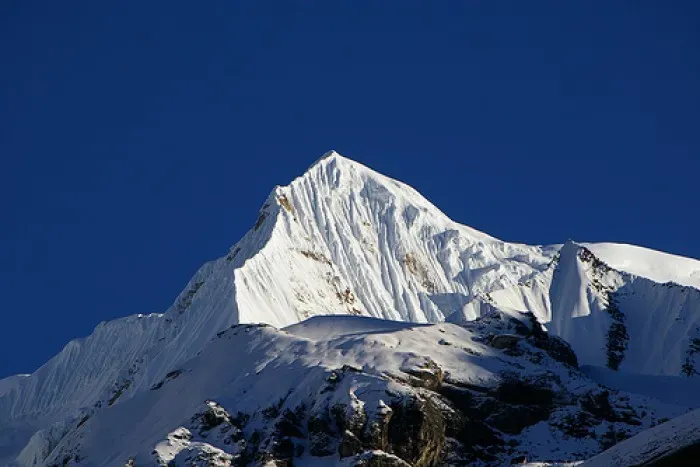
Overview of Singu Chuli Peak Climbing
Singu Chuli sits within the Annapurna Conservation Area in the Kaski district, close to its better-known neighbor, Tharpu Chuli (Tent Peak, 5,663 m). The mountain was first climbed in 1957 by a British-Nepalese team, and it is still admired for its elegant lines and challenging upper slopes.
The classic expedition lasts about 18 to 22 days, including the approach trek through the Modi Khola valley, acclimatization, a base camp period, and the summit push. Climbers approach through Ghandruk, Chhomrong, and Himalaya to reach the Annapurna Sanctuary, then leave the main trail for the glacier-side base camp beneath the peak.
Unlike a simple trekking peak, Singu Chuli requires solid fitness, technical skills, and careful timing. It suits climbers who already have some experience on snow and ice, or those willing to spend extra days learning under professional guidance.
Why Climb Singu Chuli?
A true alpine climb. The route involves glacier walking, crevasse navigation, steep snow and ice, and a sharp summit ridge. It feels like a compact version of larger Himalayan expeditions.
Spectacular scenery. From the high camp and summit, you see Annapurna I, Annapurna South, Hiunchuli, Machapuchare (Fishtail), Gangapurna, and dozens of other peaks. The Annapurna Sanctuary is one of the most dramatic mountain amphitheaters on Earth.
Combination of trek and climb. The approach passes through rhododendron forests, Gurung villages, and terraced hills, so you enjoy both culture and adventure in one journey.
Fewer crowds than Everest region peaks. While the sanctuary trail is busy, the climbing route beyond base camp is quiet and remote.
A stepping stone to bigger peaks. Singu Chuli builds skills in rope work, crampon technique, and high-altitude decision-making, which are valuable preparation for peaks such as Island Peak, Mera Peak, or Himlung Himal.
Detailed Itinerary
A typical itinerary follows this pattern, with buffer days for weather and acclimatization.
Kathmandu to Pokhara. Travel by road or a short flight to the lakeside city of Pokhara, the gateway to the Annapurna region.
Nayapul to Ghandruk and Chhomrong. A drive to Nayapul is followed by a walk through Gurung villages, with views of Annapurna South and Machapuchare. Chhomrong is a lovely hillside village and the last permanent settlement on the main trail.
Chhomrong to Dovan and Himalaya. The trail enters bamboo and rhododendron forest, crossing side streams and steep sections. The valley narrows as you approach the sanctuary.
Deurali and Machapuchare Base Camp. Climbing higher, the route passes waterfalls and open meadows, reaching Machapuchare Base Camp at about 3,700 meters. The glacier-side terrain becomes more dramatic.
Annapurna Base Camp (4,130 m). Many itineraries include a night here for acclimatization. The sunrise over the Annapurna range is unforgettable.
Singu Chuli Base Camp (about 4,500 m). From the main trail, the route turns onto moraine and glacier terrain, where the climbing team sets up camp. Sherpa staff and porters manage tents, food, and equipment.
High Camp (around 5,300 m). After training and acclimatization climbs, the team moves to high camp on the glacier or a rocky shoulder. The camp offers a close view of the summit slopes.
Summit day. The climb begins in the early morning hours, usually around 1:00 to 2:00 a.m., to take advantage of frozen snow. The route ascends steep snow and ice slopes, sometimes requiring fixed ropes, and continues along a narrow ridge to the summit. The final section is exposed and technical, and summit day can take 10 to 14 hours round trip.
Descent and return trek. After returning to base camp, the team descends the same route to Chhomrong, Ghandruk, and Nayapul, then returns to Pokhara and Kathmandu.
Difficulty and Fitness Requirements
Singu Chuli is graded as a technical peak, more demanding than many trekking peaks. Key challenges include:
-
Altitude: Several days above 4,500 m and a summit at 6,500 m.
-
Technical terrain: Steep snow, ice sections, crevasses, and exposed ridge climbing.
-
Long summit day: Early starts, cold temperatures, and sustained effort.
-
Weather: Rapid changes, strong winds, and heavy snowfall are possible.
Climbers should have prior experience at altitude, ideally a trek above 5,000 m or a climb such as Island Peak or Mera Peak. Comfort with crampons, ice axe, harness, and rope work is essential. If you are new to climbing, plan a pre-climb training session with your guides.
Physical preparation should begin three to four months before departure. Focus on cardiovascular endurance, leg strength, and core stability. Long hikes with a weighted pack, stair training, and cardio exercises such as running or cycling will help. Practicing at altitude, if possible, can also improve acclimatization.
Best Time to Climb
The best seasons are spring (April to May) and autumn (late September to November).
-
Spring offers warm days, longer daylight, and blooming forests along the approach, although afternoon clouds are common.
-
Autumn provides the most stable weather, cold nights, and clear skies, which makes it the most popular season.
-
Winter is extremely cold and snowy, and avalanche risk increases.
-
Monsoon (June to August) brings heavy precipitation, poor visibility, and unstable snow conditions.
Permits and Regulations
Climbing Singu Chuli requires proper permits and organization:
-
Annapurna Conservation Area Project (ACAP) permit
-
TIMS card, where applicable
-
Climbing permit from the relevant authorities, as required for the peak
-
A registered trekking and climbing agency with experienced guides
Because permit rules can change, always confirm the latest requirements with your agency. Climbing without a licensed guide is not recommended, as the terrain includes crevasses and avalanche-prone slopes.
Essential Gear
Technical gear is critical for safety and success:
-
Mountaineering boots suitable for crampons
-
Crampons, ice axe, harness, helmet, and carabiners
-
Insulated down jacket and a sleeping bag rated to at least -20°C
-
Layered clothing, including base layers, fleece, and a waterproof shell
-
Gloves, warm hat, balaclava, and glacier sunglasses
-
Trekking poles, headlamp, and water purification
-
A comprehensive medical kit, including altitude medication prescribed by your doctor
Most agencies rent technical gear in Pokhara or Kathmandu, which reduces travel costs. Confirm what is included in your package.
Acclimatization and Safety
Altitude sickness is the primary danger. Ascend slowly, drink plenty of water, avoid alcohol, and rest when needed. Symptoms such as persistent headache, nausea, dizziness, or breathlessness must never be ignored. Build acclimatization days into your itinerary, and be willing to descend if symptoms worsen.
Other risks include avalanches, crevasses, rockfall, and sudden storms. A professional guide will assess conditions daily, set ropes, and make decisions about timing and safety. Travel insurance that covers helicopter evacuation up to 6,500 m is essential.
Responsible Climbing
The Annapurna region is one of Nepal’s most visited, and its ecosystems are under pressure. Carry out all waste, use refillable bottles, and avoid single-use plastics. Stay on marked trails, respect local customs, and support community lodges. Fair wages, proper equipment, and insurance for guides and porters are a basic ethical requirement.
Conclusion
Singu Chuli Peak Climbing offers a rare combination of technical challenge, dramatic scenery, and cultural richness. From the forested trails of Ghandruk and Chhomrong to the glacier-side base camp and the sharp summit ridge, every stage of the journey rewards preparation and persistence. It is demanding enough to feel like a genuine alpine adventure, yet accessible enough for motivated climbers who train well and travel with a strong team.
If you are ready to move beyond trekking and experience the thrill of climbing in the heart of the Annapurna Sanctuary, Singu Chuli is an outstanding choice. Train thoroughly, choose a reputable operator, respect the mountain, and you will be rewarded with a summit that few climbers ever reach.
